
Let's talk about something that's been bothering me for a while now. You walk into any spiritual shop, scroll through Instagram, or check out TikTok, and what do you see? Everyone and their grandmother burning white sage, calling it "cleansing," acting like they discovered some ancient universal practice.
Here's the thing, and I'm gonna say this with my whole chest, sage smudging isn't yours to take. And it definitely isn't part of African or Afro-diasporic spiritual traditions.
This Isn't Cultural Fusion, It's Cultural Theft
Listen, I get it. The spiritual community loves to talk about "universal energy" and "we're all connected." But appropriating Native American sacred ceremonies while calling it universal? That ain't it, chief.
Sage smudging is a specific ceremonial practice belonging to Indigenous North American tribes. It's not just burning a plant: it's a sacred ritual with protocols, prayers, and cultural significance that took centuries to develop. When you buy that white sage bundle from Urban Outfitters and wave it around your apartment, you're participating in the commercialization of someone else's spirituality.
And here's what really gets me: people doing this while simultaneously ignoring the fact that Native Americans are still fighting for their land rights, still dealing with the effects of genocide, still having their sacred sites destroyed. You want to honor Indigenous wisdom? Support Indigenous communities. Don't just steal their practices.

The Ecological Nightmare You're Not Talking About
While we're having this uncomfortable conversation, let's talk about what your sage habit is doing to the environment. White sage (Salvia apiana) is being harvested into near-extinction because of this trend.
The plant grows wild in California and Mexico, and commercial harvesters are pulling it up faster than it can regenerate. Some areas that used to be thick with white sage now look like barren hills. Meanwhile, the Indigenous communities who've sustainably used this plant for generations are struggling to find it for their own ceremonies.
Think about that for a second. The people who originated this practice can't access their sacred plant because of commercial demand from people who learned about it on social media.
Your Health Isn't Loving This Either
Let's get practical for a minute. Burning sage indoors creates massive amounts of particulate matter: we're talking levels that exceed EPA safety standards. Those fine particles you're breathing in? They're linked to respiratory issues, heart problems, and can be especially dangerous if you have asthma or other breathing conditions.
The smoke contains carbon monoxide, formaldehyde, and other compounds that your lungs really don't appreciate. So while you're trying to "cleanse" your space, you might actually be creating a more toxic environment.
African Cleansing: Where We Actually Come From
Now that we've cleared the air (literally), let's talk about what our ancestors actually used for spiritual cleansing. African and Afro-diasporic traditions have centuries of powerful cleansing practices that don't require appropriating anyone else's culture.

Water: The Original Cleanser
In Yoruba tradition, water isn't just H2O: it's life force, it's healing, it's connection to the Orisas. Osun governs fresh water and knows all about cleansing and renewal. A simple ritual bath with intention can clear more negative energy than any amount of smoke.
Try this: Fill your bathtub with warm water, add some honey (Osun loves honey), maybe some orange peels or cinnamon. As you soak, visualize the water pulling away anything that doesn't serve you. When you drain the tub, see all that stagnant energy going down the drain with the water.
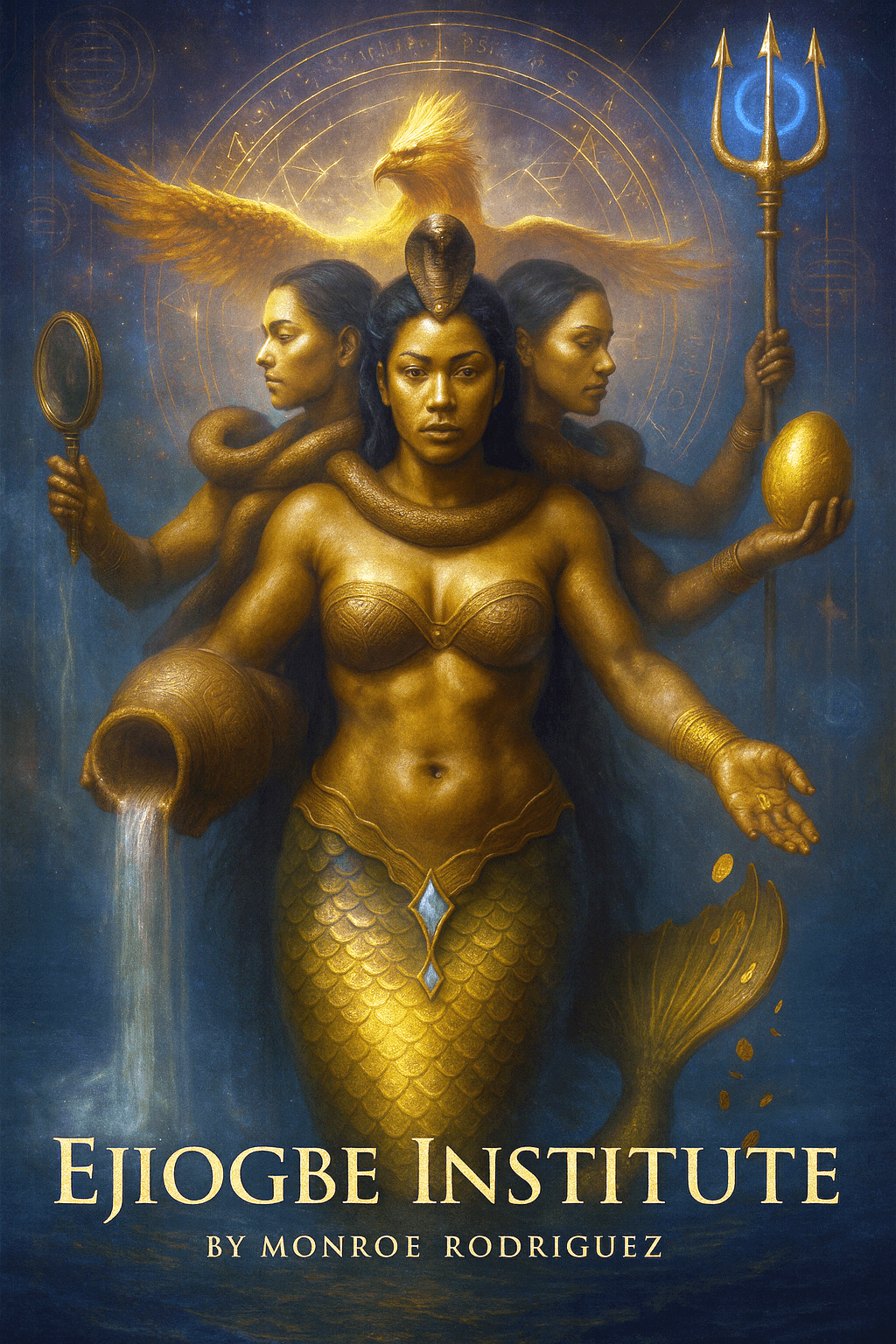
In Vodun traditions, water ceremonies are central to cleansing work. Mami Wata herself is the spirit of water, healing, and transformation. Working with water connects you directly to her energy for cleansing and renewal.
African Plants and Herbs
Our ancestors didn't need to borrow anyone's sage. We had our own powerful plants:
Basil (especially African basil varieties) for protection and cleansing. In many West African traditions, basil is used in baths and floor washes to clear negative energy.
Lemongrass for spiritual cleansing and clarity. This grows throughout Africa and has been used in cleansing rituals for generations.
African potato (Hypoxis hemerocallidea) and other indigenous African plants have their own cleansing properties.
In Igbo Odinani traditions, specific leaves and herbs are used in cleansing rituals, often combined with prayers to the ancestors and Chukwu (the Supreme Being).

Ancestor Offerings and Communication
Here's something sage can't do for you: connect you with your ancestral line. In African spiritual traditions, cleansing often involves calling on your ancestors to help remove obstacles and negative influences.
Set up a simple ancestor altar with a white cloth, a glass of water, and maybe some white flowers. Light a white candle and talk to your ancestors. Ask them to help clear away anything blocking your path. This isn't just cleansing your space: it's strengthening your spiritual foundation.
In Benin traditions, ancestors are integral to all spiritual work, including cleansing and protection. They know your bloodline, your challenges, your purpose. They're way more qualified to help you than any random burning plant.
Spiritual Baths in the African Diaspora
If you're familiar with Hoodoo, you know about spiritual baths. These come straight from African traditions, adapted and preserved in the Americas. Different herbs, salts, and oils for different purposes: all without appropriating anyone else's sacred practices.
Candomblé and Santería both have elaborate cleansing rituals using African-derived herbs and methods. Umbanda incorporates cleansing practices that honor African spirits alongside Indigenous Brazilian spirits: but always with respect and proper initiation.
Smoke Alternatives That Actually Make Sense
If you absolutely must burn something, there are plenty of options that don't involve cultural theft or ecological destruction:
Frankincense and myrrh: used throughout Africa and the Middle East for thousands of years. These resins have powerful cleansing properties and a direct connection to African spiritual practices.
Palo Santo from South America: but only if it's sustainably sourced and you understand its cultural context (and aren't calling it smudging).
Copal resin, also from the Americas, with its own rich ceremonial history.
Or better yet, try essential oil diffusers with oils from plants that actually grow in Africa. Eucalyptus, tea tree, lemongrass: all cleansing, all from traditions that make geographical and cultural sense.
The Real Work of Spiritual Cleansing
Here's what nobody wants to tell you: burning stuff isn't going to fix your spiritual problems. Real cleansing work requires looking at your patterns, your relationships, your energy habits. It means setting boundaries, doing shadow work, and actually changing the behaviors that invite negative energy in the first place.
Sage smudging became popular because it feels like spiritual bypassing: like you can just wave some smoke around and avoid doing the hard work of healing. But that's not how spirituality works, and it's definitely not how African spiritual traditions work.
In Yoruba philosophy, we talk about ori: your personal destiny and inner head. Cleansing your ori requires self-reflection, alignment with your purpose, and often guidance from elders who understand the tradition. You can't shortcut that with appropriated ceremonies.
Time to Do Better
Look, I'm not trying to shame anyone who's been burning sage. Most people started doing it because they genuinely wanted to cleanse their space and energy. But now you know better, so you can do better.
Stop calling it smudging: that word belongs to Native American communities.
Stop buying mass-produced white sage: you're contributing to over-harvesting and cultural commodification.
Start exploring your own ancestral cleansing traditions: or at least traditions that don't require appropriation.
If you're of African descent, connect with the spiritual practices of your ancestors. If you're not, find cleansing methods that don't involve stealing from marginalized communities.
The spiritual path is about integrity, respect, and connection: not about collecting practices like spiritual Pokemon cards. Your ancestors have wisdom for you. The spirits of your bloodline are waiting to guide you. Why are you looking everywhere else except where you actually belong?
Water, intention, ancestral connection, personal accountability: these are the tools of real spiritual cleansing. Try them. Your energy field will thank you, your ancestors will be proud, and you'll be walking in integrity instead of appropriation.
That's the kind of spiritual cleansing that actually lasts.
