
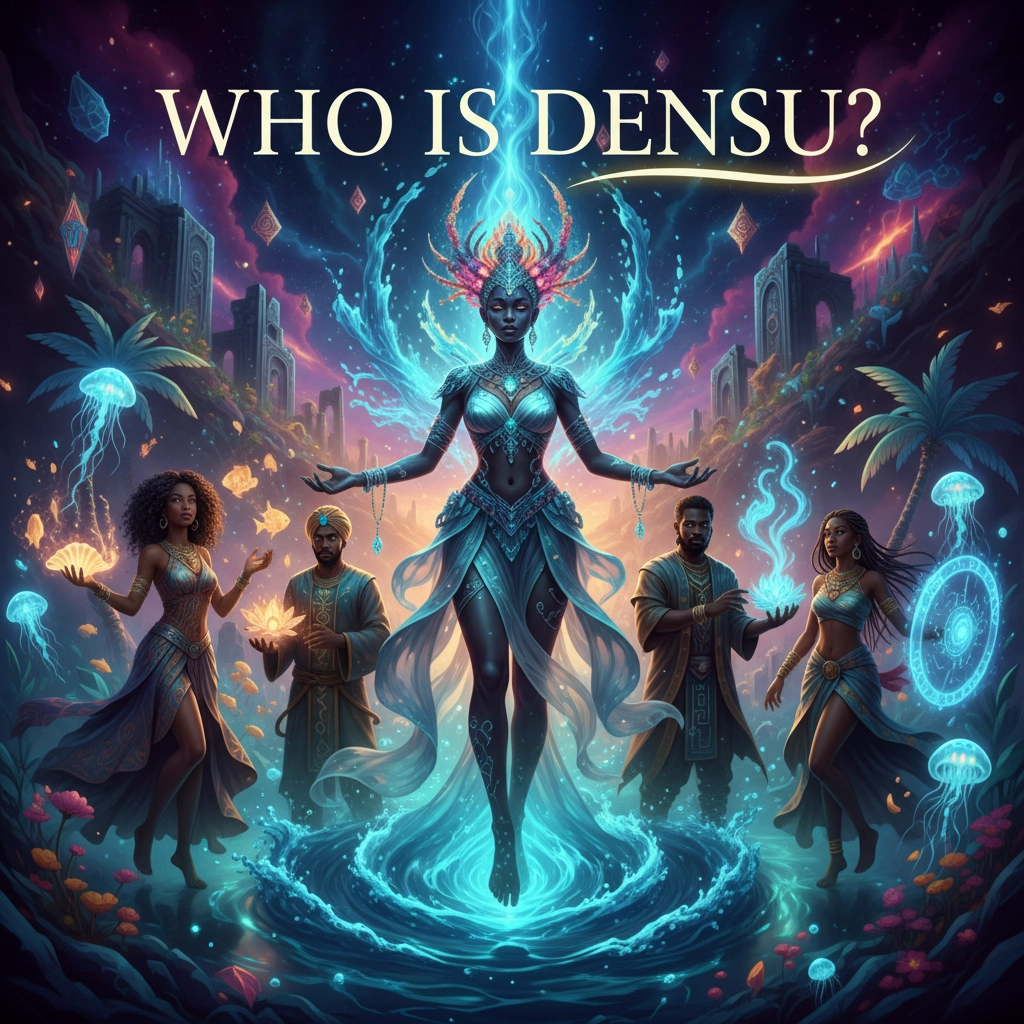
Ever found yourself drawn to the power of flowing water? That pull you feel toward rivers isn't just your imagination: it's an ancient recognition of something sacred. In the heart of Ghana, where the Densu River winds through lush landscapes, lives a spirit whose presence has shaped communities for centuries. Meet Densu, one of West Africa's most revered river deities.
If you're new to West African spirituality, you might be wondering: what exactly is a river spirit? Think of Densu not just as the physical river that flows through the Greater Accra and Central regions of Ghana, but as the divine consciousness that inhabits those waters. This isn't some distant, abstract deity: Densu is immediate, present, and deeply woven into the daily lives of the Ga and Akan people who call these riverbanks home.
The Sacred Waters That Give Life
Densu represents something profound: the understanding that water is life itself. But this isn't just poetic metaphor: it's lived reality for communities who depend on the Densu River for survival. The river provides drinking water, supports fishing, enables agriculture, and serves as a transportation route. Densu the spirit embodies all of this life-giving power.
Are you starting to see why river worship makes perfect sense? When your survival depends on flowing water, recognizing its divine nature becomes not just spirituality, but wisdom.

In Ga and Akan cosmology, Densu holds a triple role: protector, provider, and source of life. As protector, Densu guards communities along the riverbanks from both physical and spiritual threats. As provider, the deity ensures the river continues to supply fish, fertile soil from seasonal flooding, and fresh water. As source of life, Densu governs fertility, healing, and spiritual purification.
Origins and Sacred Stories
The origins of Densu worship stretch back centuries, woven into the migration stories of Ga-speaking peoples who settled along the river's banks. According to oral traditions, Densu chose this particular river as a dwelling place because of its strategic importance: connecting the interior regions to the coast, supporting diverse ecosystems, and providing a natural highway for trade and communication.
One foundational myth tells of how Densu first revealed itself to a group of fishermen during a severe drought. When all other water sources had dried up, the Densu River continued to flow. The fishermen, desperate and reverent, offered prayers and libations to the river itself. Densu responded by not only sustaining the water flow but also filling their nets with fish and revealing sacred knowledge about water rituals that would ensure the river's continued blessing.
Another powerful story speaks of Densu's role as a mediator between communities. When disputes arose between settlements along the river, people would bring their grievances to the riverbank. Through divination and water rituals, Densu would provide guidance for resolution, often requiring ceremonial cleansings that symbolically washed away conflict.
Forms of Worship: Shrines, Rituals, and Sacred Practices
Densu worship centers around riverside shrines that serve as meeting points between the human and spirit worlds. These aren't elaborate buildings: they're often simple structures made from local materials, positioned where the river bends or where tributaries meet. The simplicity is intentional: Densu prefers authenticity over ostentation.

Traditional priests and priestesses, known as okomfo in Akan or wulɔmɔ in Ga, serve as intermediaries between Densu and the community. These spiritual leaders undergo extensive training, learning not just ritual procedures but also the river's ecological patterns, seasonal changes, and the medicinal properties of riverbank plants.
Weekly rituals typically involve early morning visits to the river for libations of palm wine, corn flour, and spring water. Worshippers bring white cloths, which symbolize purity and peace, and often leave offerings of white flowers or white-shelled snails. The color white holds special significance in Densu worship, representing the foam of flowing water and spiritual clarity.
Individual prayers to Densu often focus on practical needs: safe fishing expeditions, protection during river travel, healing from water-related illnesses, and fertility blessings. But here's what's beautiful about this tradition: the prayers aren't selfish. They typically include requests for the river's continued health, for the fish populations to remain strong, and for the surrounding communities to live in harmony.
Annual Festivals: When Communities Gather
The most significant celebration in Densu's honor occurs during the annual river festival, typically held at the beginning of the fishing season. This isn't just a spiritual event: it's a community-wide celebration that reinforces social bonds and ecological awareness.
During the festival, communities along the entire length of the river coordinate their celebrations. The festivities begin with a ritual cleansing of the main shrine, followed by offerings of the first fruits of the season. Traditional drummers perform rhythms specific to water spirits, and dancers move in patterns that mimic flowing water.

One of the most powerful moments comes when the entire community participates in a collective libation ceremony. Everyone brings a small container of water from their homes, symbolically returning it to Densu with prayers and gratitude. This ritual reinforces the understanding that all water ultimately belongs to the river spirit and is merely borrowed by humans for their needs.
The festival also includes practical elements: discussions about river conservation, coordination of fishing schedules to prevent overharvesting, and resolution of any disputes that have arisen during the year. This integration of spiritual and practical matters exemplifies the holistic worldview that characterizes traditional African religions.
Sacred Symbols and Cultural Taboos
Densu's symbols reflect the river's essential nature and power. Fish, particularly catfish and tilapia native to the river, serve as sacred symbols representing abundance and adaptability. Water pots made from local clay symbolize the containment and distribution of Densu's blessings. Ritual whips, often made from palm fronds, represent Densu's ability to both bless and discipline.
The cultural taboos surrounding Densu worship serve important ecological and social functions. Fishing is forbidden on certain days, allowing fish populations to recover. Dumping waste in the river is considered a serious spiritual offense, maintaining water quality. Using harsh language or engaging in conflicts near the river is prohibited, preserving the sacred space as a place of peace.

Menstruating women traditionally avoid direct contact with the river during their cycles, not out of shame but out of recognition that their own powerful life-giving energy might overwhelm the spiritual balance. Similarly, people in mourning observe specific protocols before approaching Densu, ensuring that grief doesn't contaminate the life-giving waters.
Living Tradition in Modern Times
Understanding Densu means recognizing that this isn't ancient history: it's living spirituality that continues to evolve while maintaining its essential character. Modern Densu worship incorporates contemporary concerns like water pollution and climate change into traditional prayer cycles.
Today's priests and priestesses often serve as environmental advocates, using their spiritual authority to promote river conservation. They work with government agencies and NGOs to protect the Densu River's ecosystem while maintaining traditional worship practices.
Are you beginning to see how ancient wisdom stays relevant? Densu worship offers profound lessons about the relationship between spirituality and ecology, community responsibility and individual prayer, tradition and adaptation.
The river spirit Densu represents something our modern world desperately needs to remember: water is sacred, communities are interconnected, and spiritual practice must serve both individual needs and collective wellbeing. In honoring Densu, the Ga and Akan peoples have maintained a sustainable relationship with their primary water source for centuries.
This isn't just Ghanaian culture: it's human wisdom about how to live in right relationship with the natural world. Every time you turn on a faucet or cross a bridge over flowing water, you might remember Densu and the communities who understood that rivers are not just resources, but relatives deserving of respect, gratitude, and protection.
