
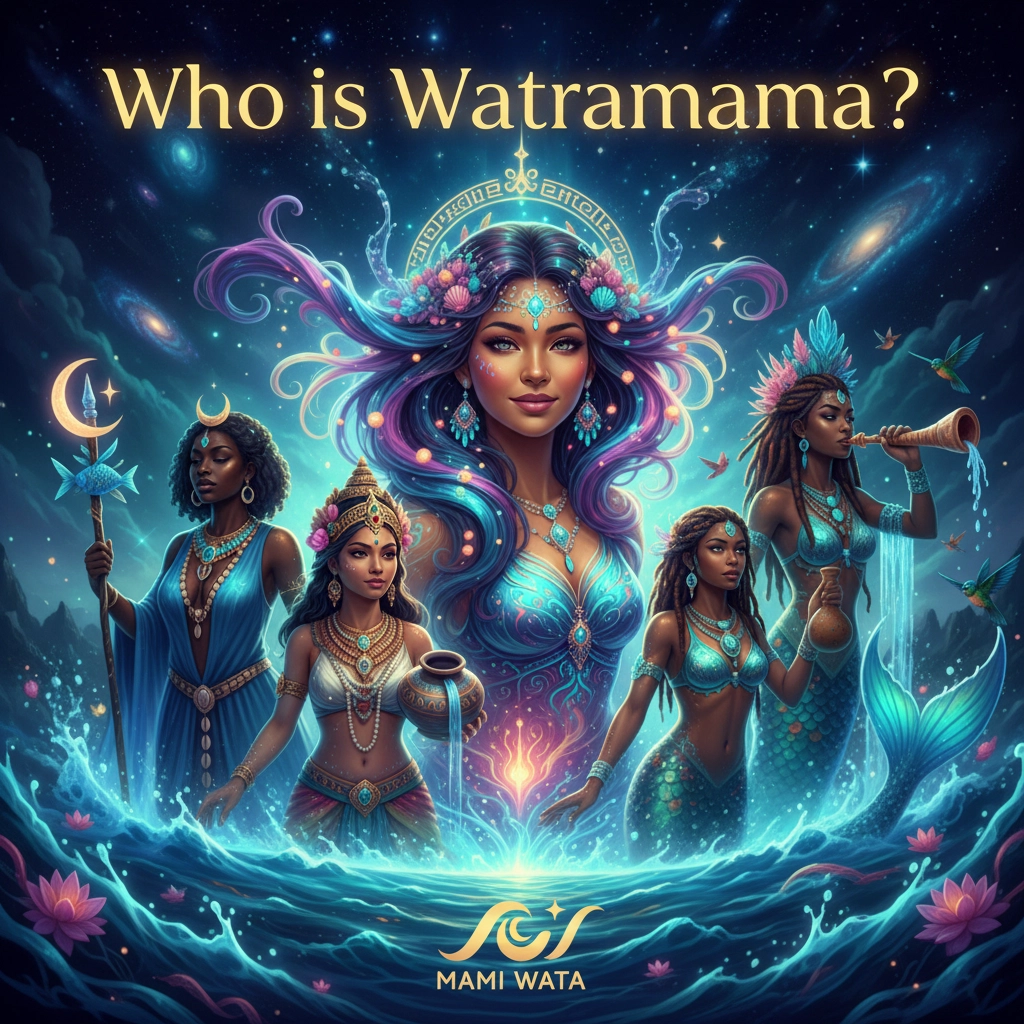
Ever heard whispers of a powerful water spirit who commands rivers, oceans, and the very essence of life itself? Meet Watramama: the "Mother of the Waters": a divine being whose influence flows through Caribbean islands, South American rivers, and deep into the spiritual consciousness of millions across the African diaspora.
If you've been drawn to water spirits, ocean magic, or the mysterious call of rivers and seas, you're about to discover one of the most revered and complex deities in Afro-Caribbean spirituality. Watramama isn't just another mythological figure gathering dust in old folklore books: she's a living, breathing spiritual force that continues to guide, protect, and challenge those who seek her wisdom.
The Many Names of the Water Mother
Here's where it gets interesting: Watramama goes by many names depending on where you encounter her. In Suriname and Guyana, she's known as Watramama, literally translating to "Mother of the Waters." Travel to other Caribbean islands, and you might hear her called Mama Glo in Creole traditions or Madre de aguas in Cuban folklore.
But perhaps her most widely recognized name is Mami Wata: a powerful water goddess whose influence stretches across West and Central Africa, throughout the Caribbean, and into the spiritual practices of millions in the Americas. The Makushi people of Guyana call these water spirits "twingram" or "Tuenkaron" in their native language, showing just how deeply embedded these beliefs are across different cultures.

Are you starting to see the pattern? This isn't just one isolated deity: Watramama represents a vast network of water spirits that survived the brutal Middle Passage and took root in new lands, adapting and thriving in different cultural soils while maintaining her essential power and purpose.
Ancient Roots, Living Traditions
Let's get real about something: Watramama's story begins long before European colonization disrupted African spiritual practices. Her origins trace back to West African water deity traditions that were carried by enslaved peoples across the Atlantic. But here's what makes her story remarkable: instead of disappearing under the weight of oppression, these spiritual traditions found ways to survive, adapt, and flourish.
In West Africa, water spirits like Mami Wata have been revered for centuries as powerful intermediaries between the human and divine realms. When African peoples were forcibly brought to the Americas, they didn't just carry their physical bodies: they carried their spiritual DNA, their connection to the ancestors, and their relationship with divine forces like Watramama.
Indigenous peoples in Suriname and Guyana already had their own water spirit traditions. When African spiritual practices met indigenous beliefs, something beautiful happened: a cross-cultural recognition of the sacred power of water that strengthened both traditions rather than diluting them.
What Does Watramama Actually Look Like?
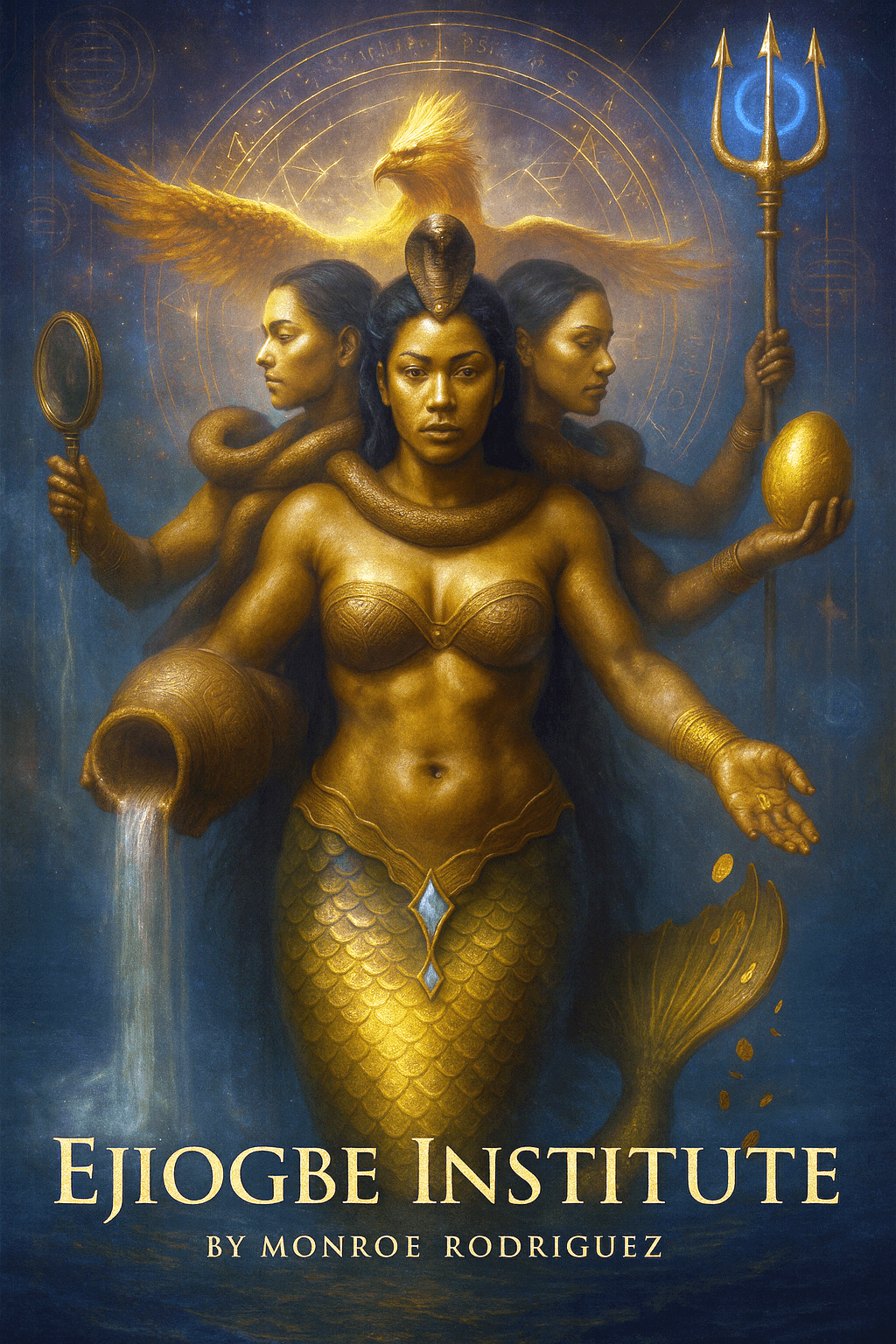
Picture this: the upper body of a stunningly beautiful woman flowing seamlessly into the powerful tail of a fish or serpent. Sound familiar? That's because Watramama embodies what many cultures recognize as the classic mermaid form: but don't let Western fairy tale imagery fool you. This isn't some Disney princess waiting to be rescued.
Watramama is often depicted with a large constrictor snake wrapped protectively around her, symbolizing her connection to Damballa Wedo, the Great Serpent and God of the Cosmos in Vodun traditions. She's simultaneously nurturing mother and fierce protector, life-giver and destroyer, healer and challenger.
Historical accounts from enslaved and indigenous peoples describe encounters with these beings that were both awe-inspiring and terrifying. They spoke of her singing: though some scholars suggest this might have been the sounds of manatees, which West Africans associated with water spirits when they encountered these creatures in Caribbean waters.

Her Spiritual Significance: More Than Just Water
Ready to dive deeper? Watramama isn't just about rivers and oceans: she represents the flow of life itself. In Vodun and other Afro-Caribbean spiritual traditions, she serves as a powerful household spirit directly linked to prosperity, fertility, and spiritual transformation.
Here's where her power gets really interesting: Watramama is known to interact with humans through dreams, offering wealth, beauty, and spiritual gifts in exchange for devotion and respect. But: and this is crucial: she's not a deity to approach casually or with false intentions. Cross her, betray her trust, or approach her with a disrespectful attitude, and you'll quickly learn why she's both revered and feared.
She belongs to a broader family of water deities that includes:
- Lasirèn (Haitian Vodou)
- La Baleine (West African traditions)
- Agwe (Vodou sea spirit)
- Simbi (Kongolese water spirits)
- Yemanja (Yoruba/Brazilian traditions)
Each of these spirits carries similar energy but manifests differently depending on cultural context and geographical location. Think of them as different expressions of the same fundamental force: the sacred power of water as a source of life, healing, and spiritual transformation.
Working with Watramama: What You Need to Know
Are you feeling called to connect with Watramama? Before you even think about approaching any water spirit, let's talk about respect and preparation. This isn't TikTok witchcraft: this is connecting with a powerful ancestral force that demands genuine reverence and understanding.
First, educate yourself. Learn about the cultural contexts where Watramama is honored. Understand that this isn't just spiritual practice: it's cultural inheritance that deserves respect. If you're not of African or Caribbean descent, approach with humility and recognize that you're entering sacred territory that belongs to specific communities.

Second, water work with Watramama often involves:
- Offerings of perfume, jewelry, and beautiful objects
- White flowers and white candles
- Ritual baths and cleansings
- Divination to understand her messages
- Community guidance from experienced practitioners
But here's what I really want you to understand: Watramama isn't here to make your life easier without you putting in the work. She's about transformation, which often means breaking down old patterns before building new ones. She'll challenge you to face your deepest fears about abundance, beauty, and your own power.
Modern Relevance: Why Watramama Matters Today
In our current world of environmental crisis and disconnection from natural rhythms, water spirits like Watramama carry urgent messages. She reminds us that water is sacred, that our relationship with nature is spiritual, not just practical.
Climate change is affecting water systems globally. Communities that have maintained relationships with water spirits often have deeper understanding of environmental stewardship and sustainable living practices. Watramama's wisdom includes treating water as the precious, life-giving force it is rather than taking it for granted.
She also represents the power of cultural survival and adaptation. In a world that tries to erase indigenous and African spiritual practices, Watramama's continued presence across multiple cultures shows the resilience of ancestral wisdom.
The Family of Water Spirits
Understanding Watramama means recognizing she's part of a vast spiritual ecosystem. Throughout Africa and its diaspora, water spirits serve as:
- Guardians of rivers, lakes, and oceans
- Healers and spiritual guides
- Protectors of feminine power and fertility
- Bridges between the physical and spiritual worlds
- Keepers of ancestral wisdom and tradition
Whether you encounter her as Watramama in Suriname, Mami Wata in Nigeria, or Yemanja in Brazil, you're connecting with the same fundamental energy: the sacred feminine power of water that gives, sustains, and transforms life.
Approaching with Respect
If Watramama is calling to you, start slowly. Begin by developing a genuine relationship with water itself. Spend time near rivers, lakes, or the ocean. Pay attention to how water moves, sounds, and feels. Learn to see water as sacred rather than just a resource.
Study the traditions where she's honored. Connect with practitioners who can guide you appropriately. Remember that spiritual practice isn't just about what you can get: it's about relationship, respect, and reciprocity.
Most importantly, approach Watramama with genuine humility and openness to transformation. She's not interested in surface-level spiritual tourism. She wants to know if you're ready to dive deep, face your shadows, and emerge transformed like water itself: fluid, powerful, and essential to life.
The Mother of the Waters is waiting, but only for those ready to honor her properly and receive her profound wisdom with the respect it deserves.
