
Let's be real: the spiritual realm isn't always sunshine and good vibes. If you've been walking any traditional African path, whether it's Yoruba, Vodun, Vodou, or other ancestral practices, you know that protection isn't optional. It's essential.
Your ancestors didn't survive colonization, slavery, and spiritual warfare by hoping for the best. They built fortresses of spiritual protection that kept their communities safe, their traditions alive, and their connection to the divine intact. Now it's your turn to learn these time-tested methods.
Are you tired of feeling spiritually vulnerable? Ready to stop being an easy target for negative energy, jealousy, and spiritual attacks? Good. Because what I'm about to share comes straight from the wisdom of our elders: practitioners who understood that spiritual protection is both an art and a necessity.
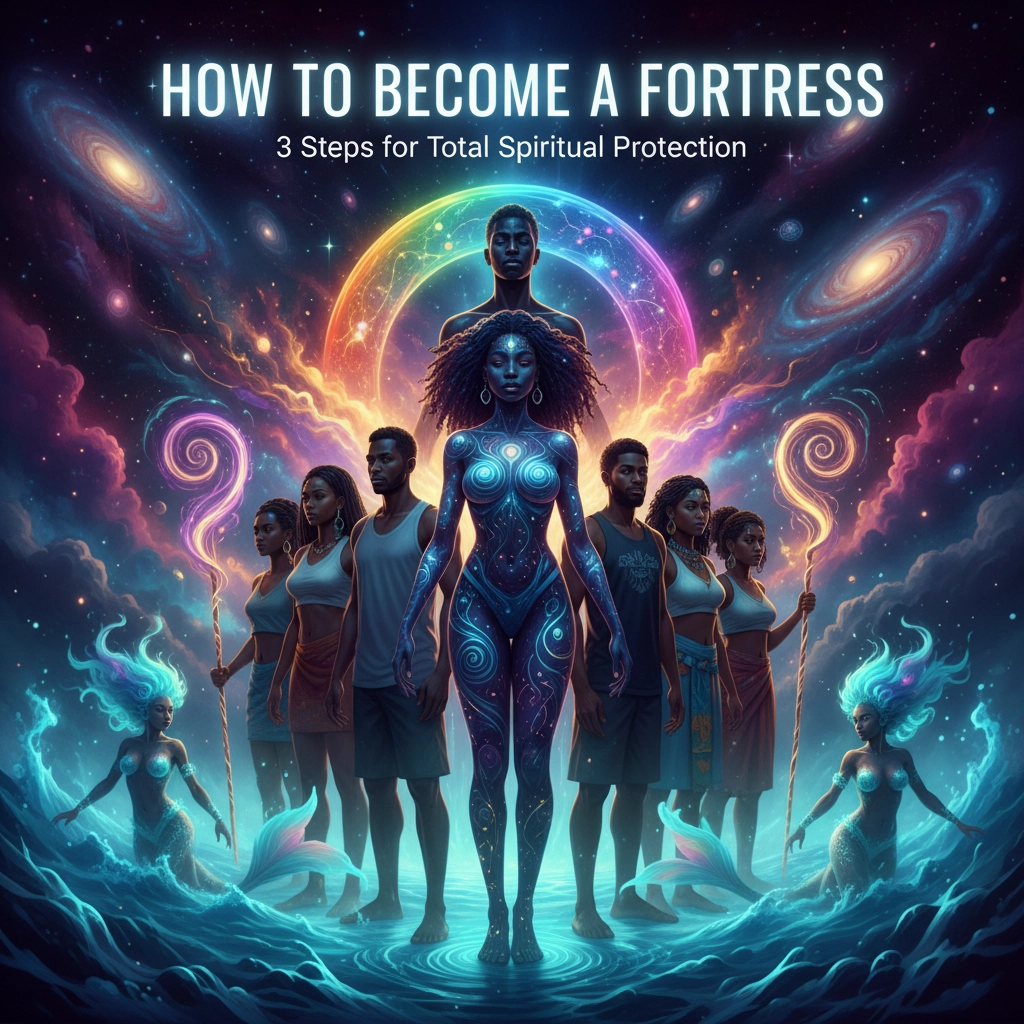
Why You Need to Become a Fortress
In African traditional religions, spiritual protection isn't about fear: it's about sovereignty. You're not hiding from the world; you're establishing boundaries that honor your spiritual work and keep your energy clean for the divine relationships that matter.
Think about it this way: would you leave your house unlocked in a neighborhood where people regularly steal? Of course not. So why would you walk through life with your spiritual defenses down when there are people who actively work negative magic, harbor deep jealousy, or simply drain energy without even knowing it?
The concept of becoming a fortress comes from understanding that you are both temple and guardian. Your body houses your soul, your ancestors, and potentially your Orisa or Lwa. Protecting that sacred space isn't just self-care: it's a spiritual responsibility.

Step 1: Establish Your Foundation with Ancestral Connection
Before you can protect anything, you need to know what you're protecting and who has your back. In every African tradition, ancestors are your first line of spiritual defense. They've walked this earth, they understand human nature, and they're invested in your success because your thriving honors their legacy.
Start with proper ancestor veneration. This isn't about elaborate altars (though those are beautiful if you feel called to create them). This is about establishing genuine relationship with those who came before you.
Set up a simple ancestor space with a white cloth, a glass of water that you change weekly, and a white candle. Speak to your ancestors daily: not just when you need something. Tell them about your life, ask for their guidance, and thank them for their protection.
Learn your lineage. You can't call on what you don't know. Research your family history as far back as possible. If you're part of the African diaspora and those records were deliberately destroyed, honor the ancestors whose names you may never know. They still answer when you call with sincere respect.
Offer regularly. In Yoruba tradition, we understand that spiritual relationships require reciprocity. Your ancestors don't need your offerings to survive, but consistent offerings show respect and strengthen your connection. Simple offerings include:
- Fresh water changed weekly
- White flowers
- Coffee or tea they enjoyed in life
- Their favorite foods on special occasions
- Prayers and libations
The stronger your ancestral connection, the stronger your foundation. Your ancestors will alert you to spiritual dangers, guide you away from problematic people, and provide protection when you're under attack.
Step 2: Build Your Personal Power Through Cleansing and Charging
Now that your ancestors have your back, it's time to build your personal spiritual defenses. This step involves both removing what doesn't serve you and amplifying your natural spiritual strength.
Master spiritual cleansing techniques. In Vodun and Vodou traditions, cleansing isn't just about removing negative energy: it's about creating space for blessings to flow. You need multiple cleansing methods in your toolkit:
Salt baths are fundamental. Use coarse sea salt or Epsom salt with prayers or intentions. Soak for at least 20 minutes, visualizing all spiritual debris washing away. Don't just dump the water down any drain: carry it to running water or pour it at a crossroads with thanks.
Smoke cleansing with culturally appropriate herbs. Sage isn't the only option. Use frankincense, copal, or other resins and herbs from your ancestral traditions. If you're working within African traditions, research what plants your specific ancestors used for protection and purification.
Spiritual baths with herbs take cleansing deeper. Create infusions with protective plants like basil, rue, or rosemary. Strain the herbs and pour the cooled liquid over yourself from neck down while stating your intentions for protection and clarity.

Charge your spiritual batteries. Protection requires energy, and energy requires regular spiritual practice. You can't build a fortress on an empty tank.
Daily spiritual practice keeps your connection strong. This might be morning prayers, meditation with your ancestors, or simple gratitude practices. Consistency matters more than complexity.
Work with protective spirits appropriate to your path. If you're called to Yoruba tradition, develop relationship with Esu, the divine messenger who guards crossroads and removes obstacles. In Vodou, Papa Legba serves a similar function. Don't just invoke these spirits when you need help: build genuine relationships through regular offerings and conversation.
Charge protective items. Whether it's a piece of jewelry, a stone, or an amulet, program it with protective intention. Hold the item during prayer, ask your ancestors or protective spirits to bless it, and carry it with intention.
Step 3: Create and Maintain Energetic Boundaries
The final step transforms you from someone who hopes for protection into someone who actively maintains spiritual sovereignty. This is where you become the fortress: not just inhabiting one, but embodying protective power yourself.
Establish non-negotiable spiritual boundaries. Your energy is sacred. Not everyone gets access to it, and you have every right to be selective about who enters your spiritual space.
Learn to recognize energy drains immediately. That person who always calls with drama? That friend who leaves you feeling exhausted after every conversation? The coworker who seems to absorb your good mood? These are spiritual boundaries violations, and you need strategies to handle them.
Practice the "spiritual gray rock" method with energy vampires. Give them minimal emotional reaction, keep conversations surface-level, and protect your inner world. You don't owe anyone your spiritual energy.
Create physical and energetic barriers. Your living space should reflect your commitment to spiritual protection.
Cleanse your home regularly using the same methods you use for personal cleansing. Every threshold should be spiritually maintained: not just cleaned, but blessed and protected.
Use protective symbols and items that align with your spiritual path. This might be cowrie shells around doorways in Yoruba tradition, protective sigils, or blessed salt across thresholds.
Maintain protective routines when leaving and entering your home. Many practitioners pray over their keys, ask for traveling mercies, and thank their spirits upon safe return.

Develop spiritual discernment. The strongest fortress is useless if you keep opening the gates for enemies. Learn to read energy, trust your intuition, and make decisions based on spiritual wisdom rather than social pressure.
Your ancestors survived because they could sense danger. Develop those same skills. If someone feels "off," honor that feeling. If a situation makes your spirit uncomfortable, listen. If your dreams are warning you about someone, pay attention.
Maintaining Your Fortress: Daily and Weekly Practices
Spiritual protection isn't a one-time ritual: it's a lifestyle. Your ancestors knew that maintaining spiritual defenses required consistent attention and regular renewal.
Daily maintenance includes:
- Morning connection with ancestors or protective spirits
- Evening gratitude and spiritual check-in
- Regular cleansing of your personal energy field
- Conscious protection of your emotional and spiritual boundaries
Weekly maintenance involves:
- Deep cleansing bath or spiritual cleansing ritual
- Refreshing protective items and charging them with intention
- Cleaning and blessing your spiritual workspace
- Reviewing the week for spiritual lessons and boundary adjustments
Monthly or seasonal maintenance requires:
- Major spiritual cleansing of your living space
- Updating protective workings based on new challenges
- Deepening ancestral connections through special offerings
- Reassessing your spiritual boundaries and protection needs
When Your Fortress Is Under Attack
Even the strongest fortress faces challenges. When you're experiencing spiritual attack, jealousy, or negative magic directed at you, your established practices become your lifeline.
Don't panic: panic weakens your spiritual defenses. Instead, intensify your existing practices. Increase ancestral offerings, perform cleansing rituals more frequently, and strengthen your protective workings.
Seek guidance from experienced practitioners in your tradition. Spiritual attacks often require community support and collective wisdom. Don't try to handle serious spiritual warfare alone.
Remember that building spiritual protection is both personal work and cultural preservation. Every time you establish strong spiritual boundaries, you honor your ancestors' wisdom and create a model for the next generation.
You already have everything you need to become spiritually protected. Your ancestors left you the roadmap, the traditions provide the tools, and your commitment provides the power. Now stop waiting for permission and start building your fortress.
Your spiritual sovereignty isn't negotiable, and your protection isn't optional. The only question left is: are you ready to claim the spiritual strength that's already yours?
