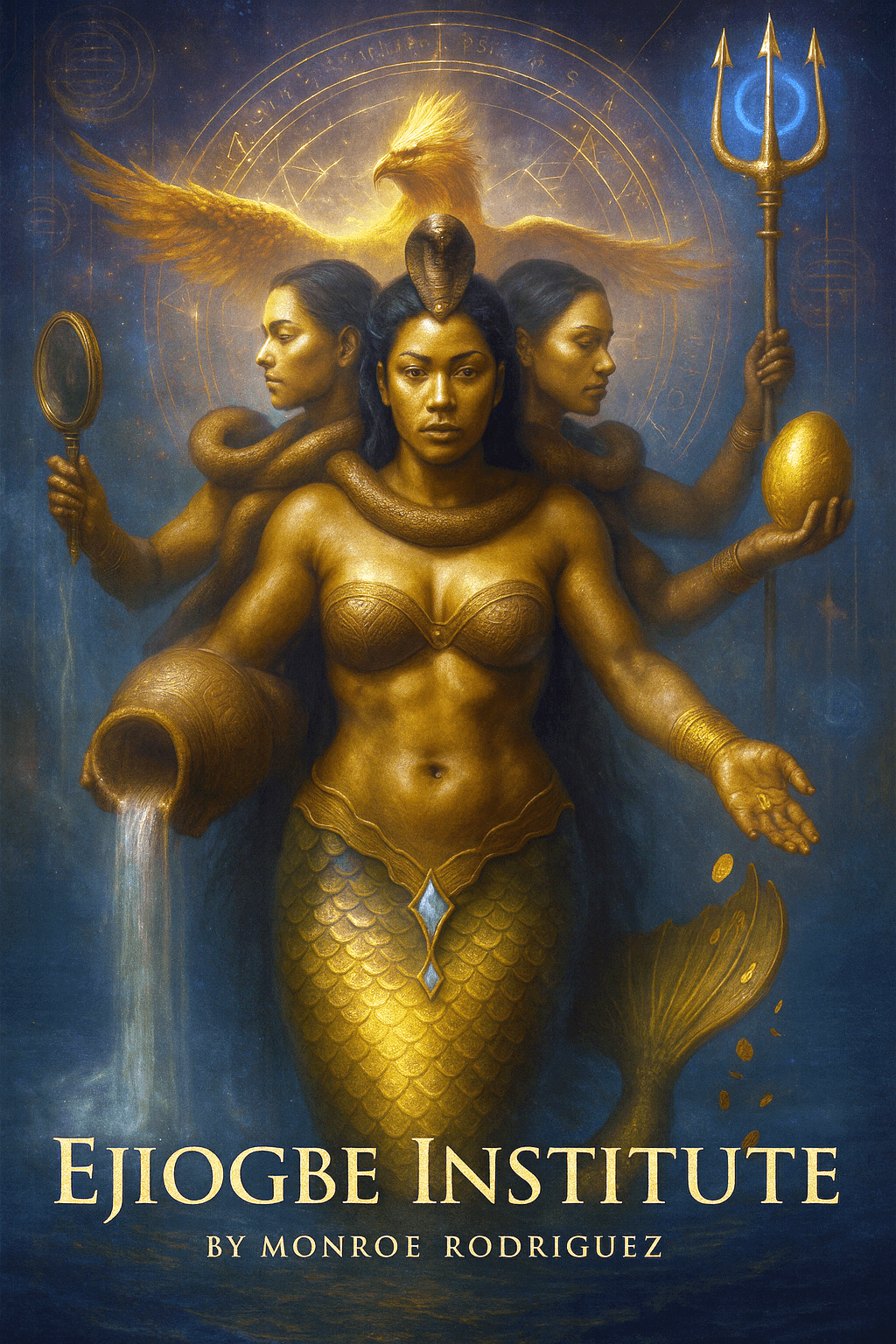


Ever wondered who holds the keys to the marketplace mysteries in West African Vodun? Meet Ayizan: one of the most revered and ancient vodun spirits from the Fon and Ewe traditions of Benin, Togo, and Ghana. She's not just another spirit in the pantheon; she's the original market queen, the keeper of sacred commerce, and the guardian of life's most essential exchanges.
If you've been diving into African spirituality, you've probably encountered her name whispered with deep respect in traditional circles. But who exactly is she, and why does her influence stretch far beyond the bustling markets of West Africa?
The Sacred Marketplace Guardian
Ayizan reigns supreme as the vodun of the marketplace: but don't think this means she's just about buying and selling goods. In traditional West African societies, the marketplace is where life happens. It's where news travels, relationships form, communities gather, and the pulse of society beats strongest. Ayizan oversees all of this.
She governs every transaction, every exchange of energy, every moment where people come together to trade not just goods, but ideas, stories, and pieces of their lives. When you understand the marketplace as the heart of African community life, you begin to grasp Ayizan's true power.

In Benin and Togo, traditional markets still carry her energy. Vendors know to show her respect before opening their stalls each day. Market women: the backbone of West African commerce: understand that their success flows through her blessings. This isn't superstition; it's recognizing the spiritual foundation that supports material prosperity.
The First among Vodun Spirits
Here's what makes Ayizan extraordinary: she's considered one of the primordial vodun, among the very first spirits to emerge in the cosmic order. This means she's been around since the beginning of spiritual consciousness itself. When other vodun were still finding their place in the universe, Ayizan was already establishing the rules of engagement.
In traditional Vodun cosmology, she represents the original feminine principle of exchange and reciprocity. Every relationship, every interaction, every moment where energy passes between people carries her signature. She's the spirit who taught humanity that everything has value and that all exchanges must be balanced.
Think about it: before humans learned to farm, to build, to create art, they learned to share. Ayizan embodies that fundamental principle of human cooperation that made civilization possible.
Sacred Symbols and Recognition
How do you recognize Ayizan's presence? Look for palm fronds. In traditional Vodun practice, her sacred symbol is the palm branch, representing both abundance and protection. Palm trees provide food, shelter, oil, and countless other necessities: they're the ultimate symbol of generous provision.

Her colors are typically white and silver, representing purity of intention in all transactions and the bright clarity needed to see fair exchange. Unlike some vodun who appreciate elaborate offerings, Ayizan prefers simplicity: white cloth, palm wine, kola nuts, and the genuine respect of those who approach her.
Traditional shrines to Ayizan are often found at market entrances or crossroads where commerce naturally flows. These aren't grand temples but simple, powerful spaces where her energy can bless all who pass through with fair dealings and honest profits.
Protector of the Vulnerable
Here's where Ayizan shows her fierce side: she absolutely cannot stand exploitation. In traditional communities, she's known as the protector of market vendors, especially women who might be taken advantage of by more powerful traders or corrupt officials.
She watches over fair pricing, honest weights, and ethical business practices. Cross her by cheating customers or exploiting workers, and you'll find your business ventures mysteriously failing. Try to manipulate the vulnerable, and she'll ensure your own vulnerability gets exposed.
This protection extends beyond commerce into all areas of life where power imbalances exist. Ayizan stands with anyone being taken advantage of, but she expects them to also stand up for themselves. She provides spiritual backing for those willing to fight their own battles with integrity.
The Initiation Keeper
In traditional Vodun practice, Ayizan plays a crucial role in spiritual initiation. She oversees the "exchange" that happens when someone commits to serving the vodun: the giving of oneself to receive spiritual power and protection.
She ensures that both the initiate and the spirits honor their commitments. Her presence during initiation ceremonies helps maintain the sacred balance: the spirits provide guidance and protection, while the initiate offers devotion and service.
Many traditional priests and priestesses report that Ayizan appears during pivotal moments of spiritual development, often when they're learning to navigate the delicate balance between spiritual and material worlds.

Connection to Ancestral Wisdom
Ayizan maintains strong connections to ancestral knowledge, particularly regarding trade, negotiation, and resource management. In many West African communities, she's invoked when making important business decisions or when families need to resolve disputes over inheritance or property.
Her wisdom encompasses understanding market cycles, reading people's intentions, and knowing when to hold firm or when to compromise. Traditional traders often develop a deep relationship with her, seeking her guidance for everything from which goods to stock to how to handle difficult customers.
Modern Relevance and Practice
You might be wondering: how does an ancient marketplace vodun relate to our modern world? The answer is simpler than you think. Every time you engage in any form of exchange: whether it's a job interview, negotiating rent, buying groceries, or even sharing energy in relationships: you're entering Ayizan's domain.
Contemporary practitioners often work with Ayizan for:
- Fair treatment in business dealings
- Success in entrepreneurial ventures
- Protection from financial exploitation
- Guidance in making ethical money decisions
- Strength to negotiate for their worth
She's particularly powerful for anyone whose livelihood depends on direct exchange with others: freelancers, small business owners, artists, and anyone who needs to advocate for fair compensation.
Approaching Ayizan with Respect
If you feel called to work with Ayizan, approach with genuine respect and clear intentions. She's not interested in helping people get rich quick or exploit others: quite the opposite. She supports honest prosperity and ethical success.
Traditional offerings include:
- White cloth or flowers
- Palm wine or coconut water
- Kola nuts or coconuts
- Simple, honest food offerings
- Your commitment to fair dealing
Remember, she's ancient and powerful. This isn't a spirit to approach casually or with shallow intentions. Come to her with real problems, genuine need for guidance, and a willingness to conduct your affairs with integrity.
Living Ayizan's Principles
Working with Ayizan means embodying her principles in daily life: fair exchange, protection of the vulnerable, honest dealing, and recognition that all prosperity should be shared appropriately with community.
She teaches that true wealth comes not from hoarding resources but from creating systems where everyone can prosper. In traditional African societies, successful merchants were expected to give back to their communities: a principle Ayizan still enforces today.
As you develop a relationship with this powerful vodun, you'll likely find yourself becoming more conscious of fairness in all your interactions, more protective of those being exploited, and more successful in your legitimate endeavors.
Ayizan reminds us that the marketplace: whether physical or metaphorical: is sacred space where human needs meet human resources, where community bonds strengthen through mutual exchange, and where the ancient principles of reciprocity still govern our modern world.
Ready to bring more ethical prosperity and fair exchange into your life? Ayizan's wisdom is as relevant today as it was thousands of years ago in the first markets of West Africa.
