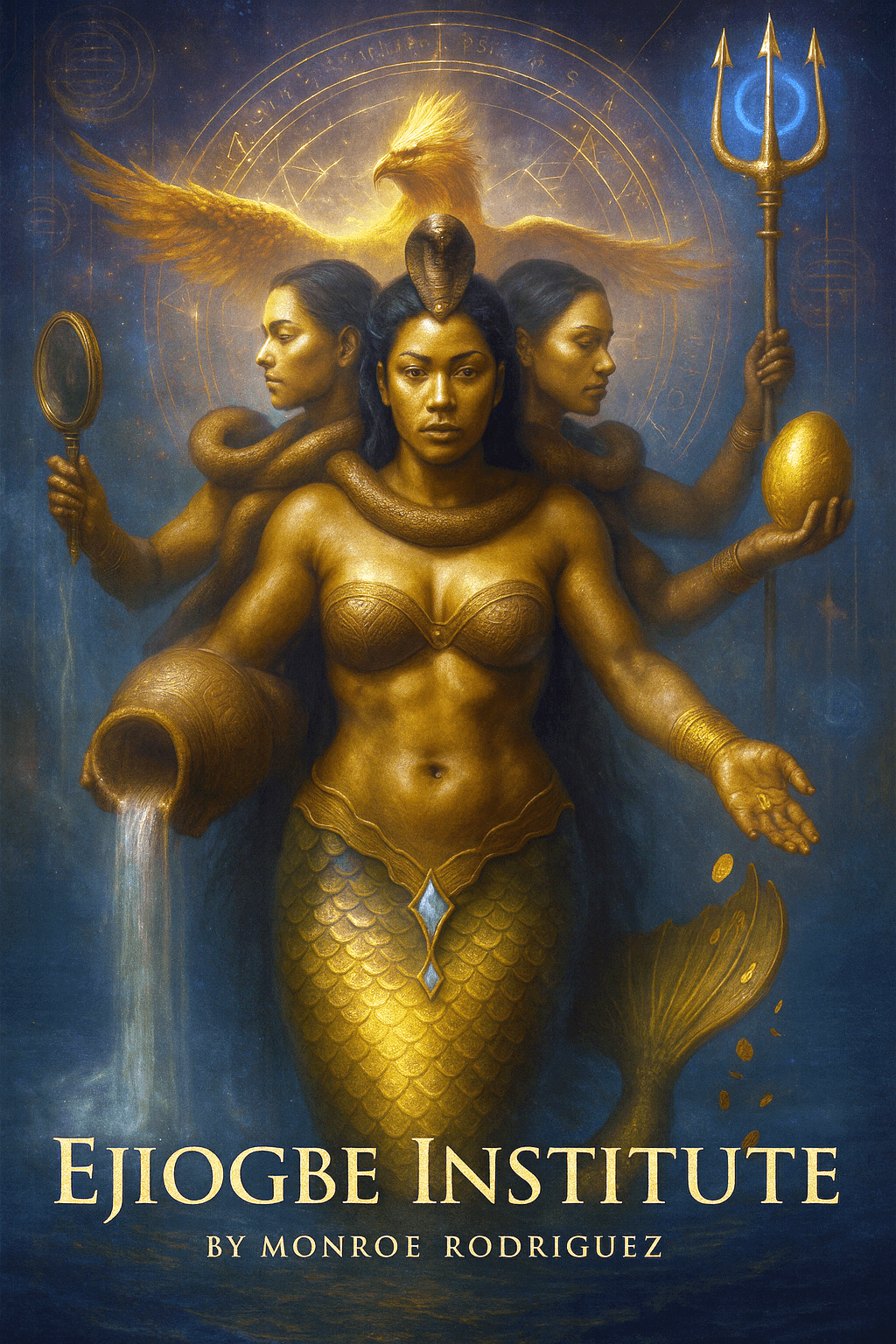


You've probably heard whispers about Avelekete in spiritual circles, but are you getting the real story? Let's be honest: there's a lot of confusion swirling around this powerful Vodun divinity, especially when people mix up African traditions with their diasporic counterparts. Today, we're diving deep into the authentic African Vodun understanding of Avelekete, because your spiritual education deserves accuracy, not assumptions.
The Waters Run Deeper Than You Think
In the rich spiritual landscape of Benin Vodun, Avelekete holds a sacred position that connects us directly to the primordial forces of water and sea. This isn't some watered-down, commercialized version of spirituality: this is the real deal, rooted in centuries of West African wisdom.
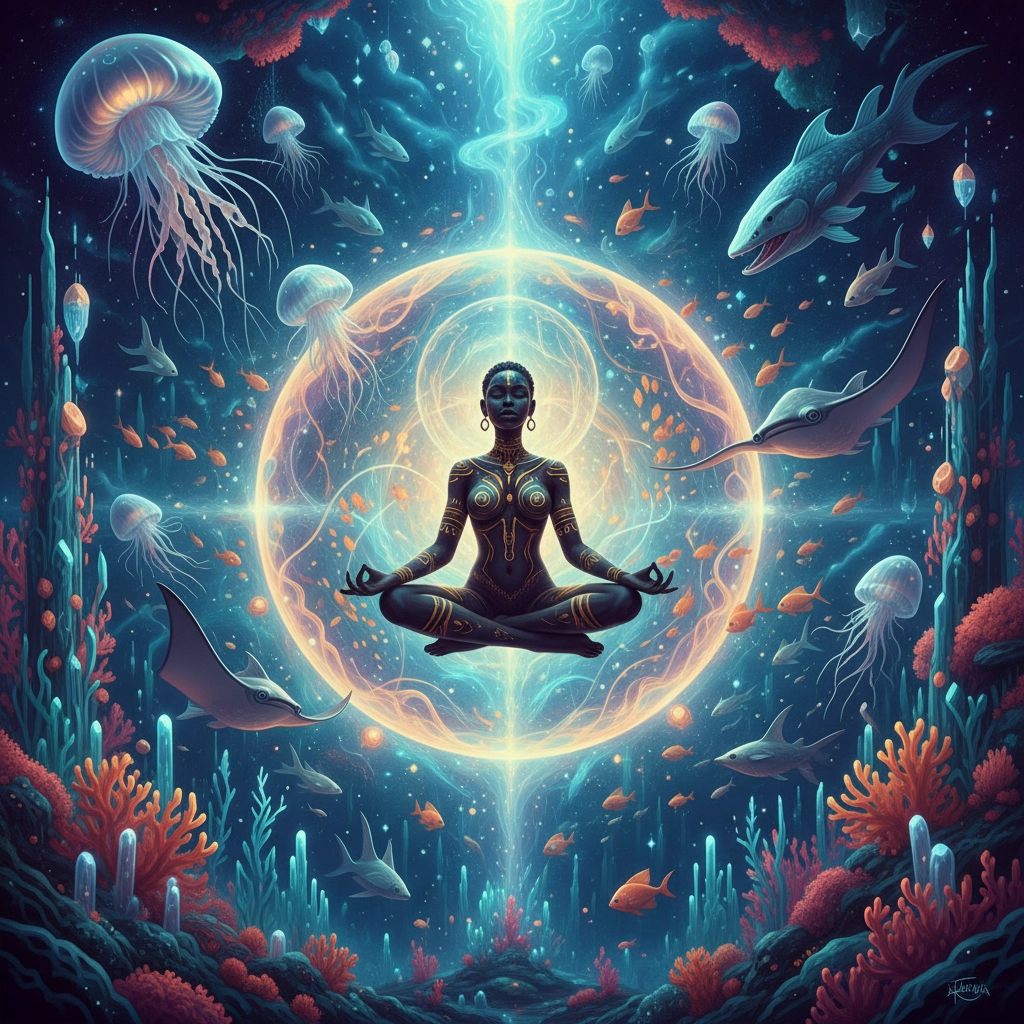
Avelekete is recognized as the last son of Tohossu, the mighty divinity of Water and the Sea. Think about that for a moment. We're talking about a spiritual force that carries the essence of oceanic power, the mysteries of the deep, and the life-giving properties of water itself. When you understand Avelekete, you're tapping into something ancient and profound.
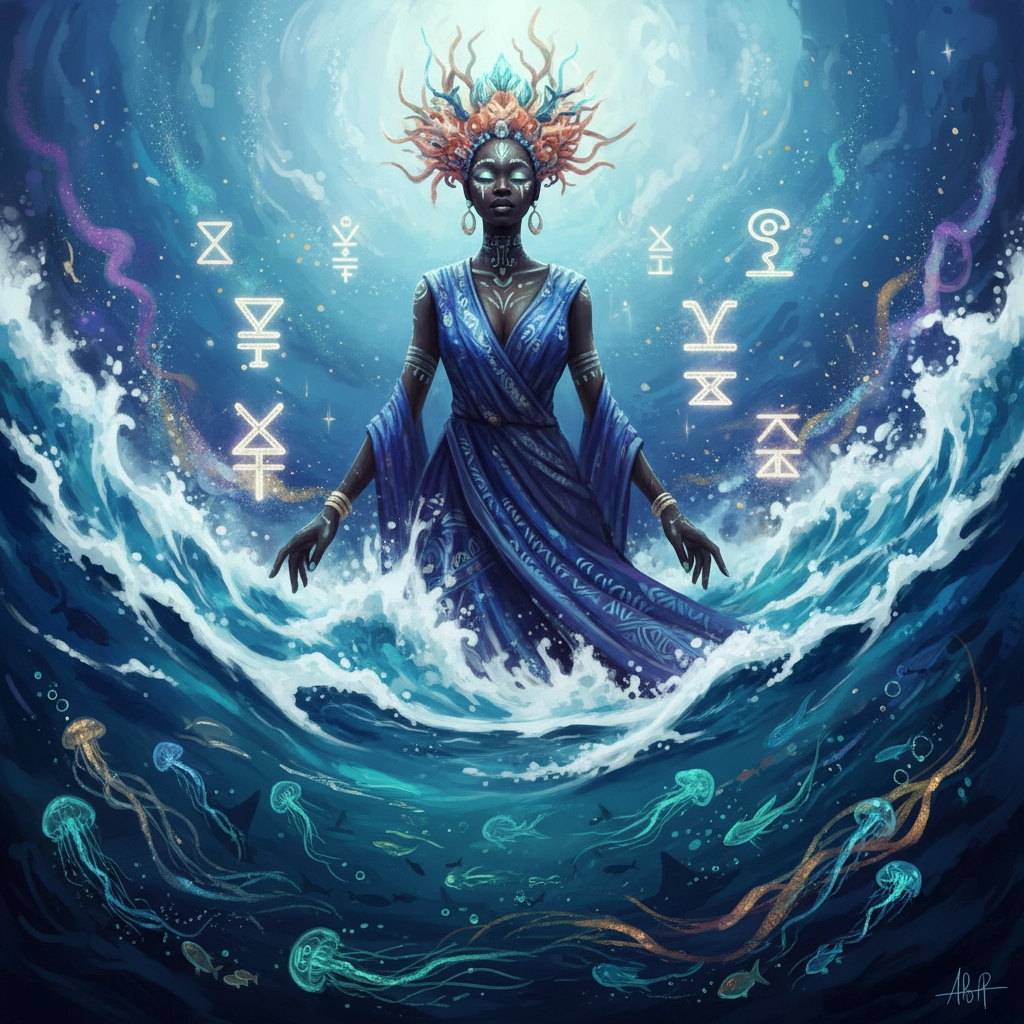
But here's where it gets interesting: and where many people get lost. In some African traditions, Avelekete is also understood as a goddess of the sea, described as the daughter of Lusa and Mahu, and wife to the great sea-god Olokun. Are you starting to see the complexity here? This isn't a contradiction; it's a testament to how different lineages and regions within West Africa have maintained their own authentic relationships with this powerful divinity.
Stop Confusing African Vodun with Haitian Vodou
Let me be crystal clear about something that drives traditional practitioners absolutely crazy: Avelekete in African Vodun is NOT the same as Ayizan Velekete in Haitian Vodou. I see people constantly mixing these up, and honestly, it's disrespectful to both traditions.
In Haitian Vodou, Ayizan Velekete is the first mambo (priestess), associated with marketplaces, commerce, and initiation rites. She's married to Papa Loko and represents the archetypal spiritual mother of the priesthood. Her symbol is the palm frond, and she gets syncretized with Saint Clare in Catholic tradition.
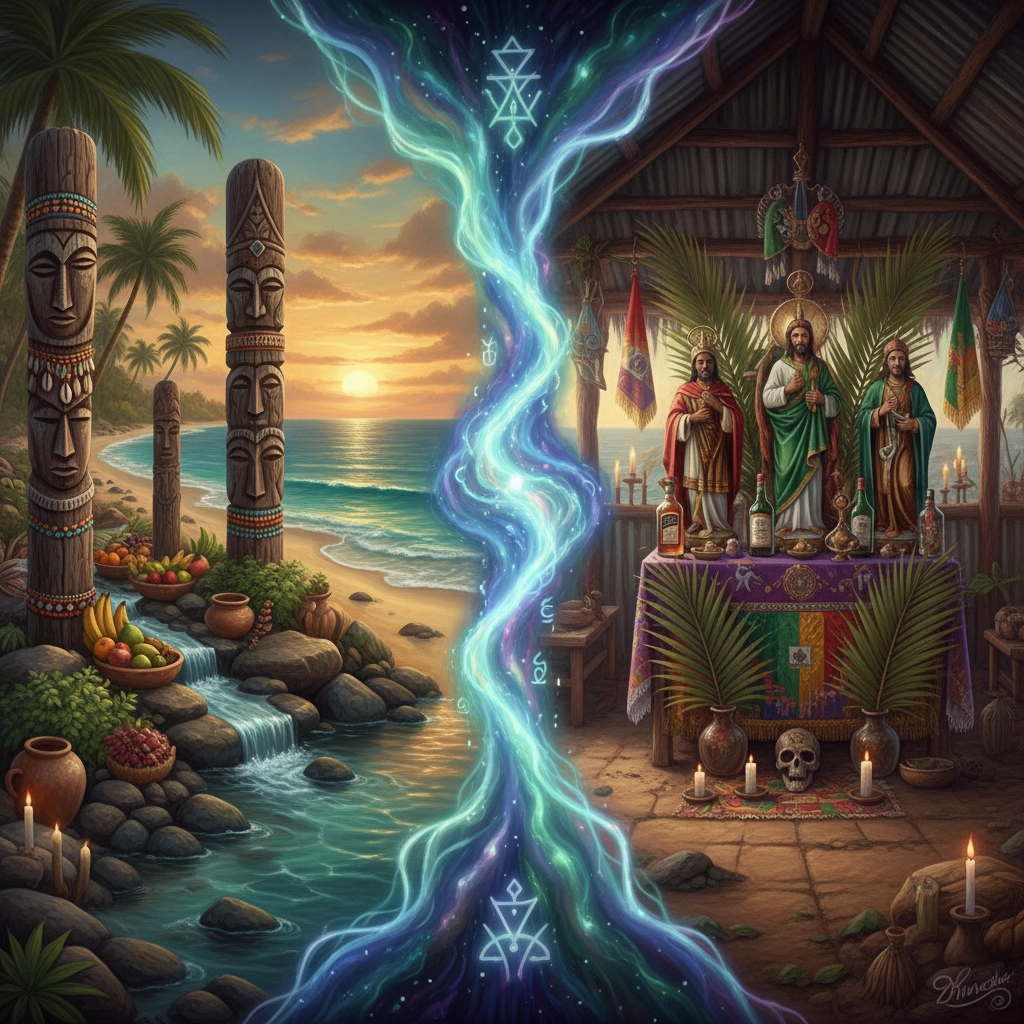
But that's NOT who we're talking about when we discuss African Vodun Avelekete. Our Avelekete maintains that primary, unbroken connection to water and the sea as a child of Tohossu. This divinity represents oceanic forces and marine spirituality that's central to West African Vodun practices: no Catholic syncretism, no marketplace associations, just pure connection to the waters that birthed life itself.
The Sacred Geography of Worship
You want to know where the real power lies? The worship of Avelekete is practiced through specific convents, including the Houhoue convent in Ouidah, Benin. This sacred space operates under the authority of the Daagbo Hounon, the Supreme Chief of Vodun. We're talking about legitimate, lineage-based spiritual authority here: not someone who read a few books and decided to start their own "tradition."
Ouidah isn't just any location. This is sacred ground, steeped in the blood, tears, and resilience of our ancestors. When you understand Avelekete within this geographical and spiritual context, you begin to grasp the weight of this tradition. This isn't spiritual tourism: this is ancestral wisdom maintained through generations of dedicated practitioners.
The Oceanic Connection: More Than Just Water
Are you ready to go deeper? Because Avelekete's connection to water isn't some surface-level "cleansing energy" nonsense you see on Instagram. We're talking about the primordial ocean, the womb of creation, the force that connects all life on this planet.
As the child of Tohossu, Avelekete carries the mysteries of water in all its forms: the gentle rain that nourishes crops, the powerful tsunami that reshapes coastlines, the life-giving amniotic fluid that surrounds us before birth. This divinity understands that water can be both creator and destroyer, nurturer and judge.
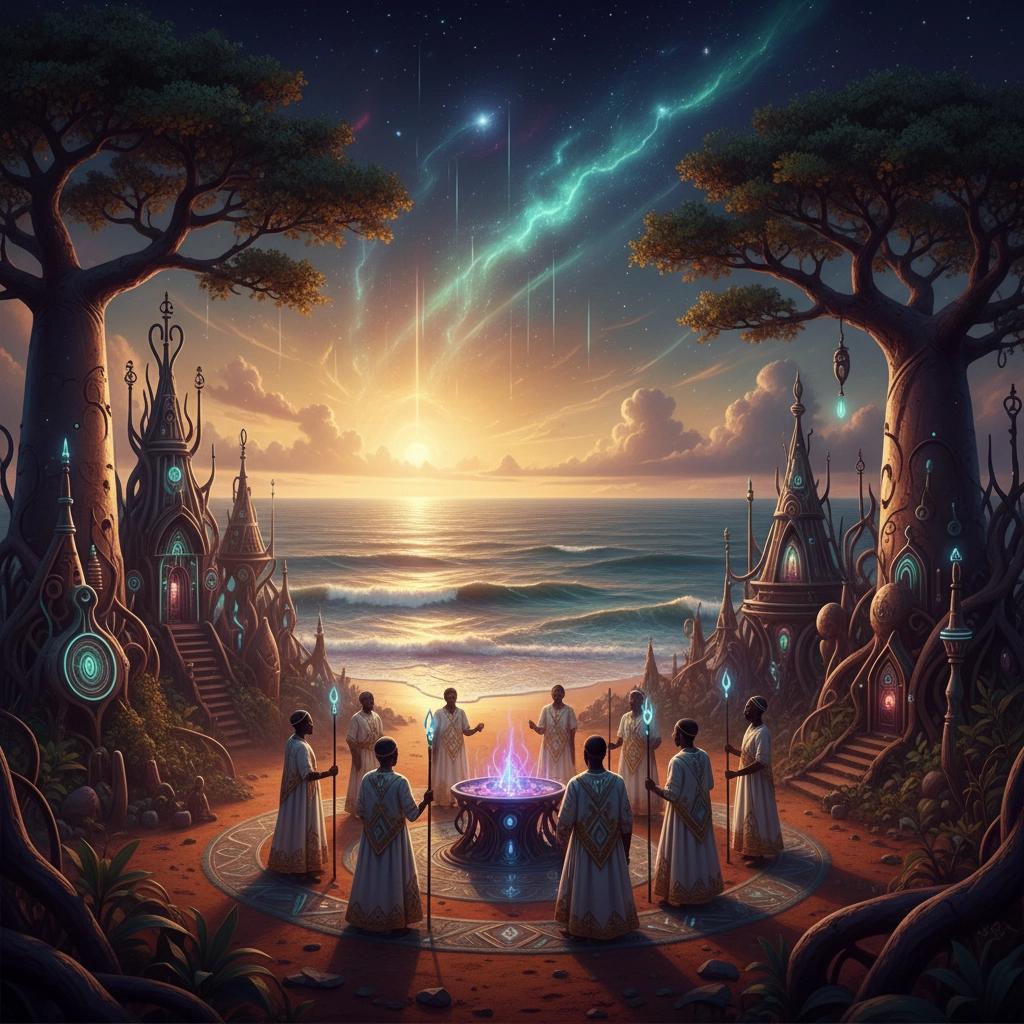
When traditional practitioners work with Avelekete, they're not just asking for "blessings" or "protection." They're entering into relationship with a force that governs the very essence of life itself. The ocean doesn't negotiate: it simply is. And Avelekete embodies this same unwavering power.
Understanding the Family Lineage
Let's talk about spiritual genealogy for a moment, because understanding Tohossu is crucial to understanding Avelekete. Tohossu represents the divine principle of water and sea in Benin Vodun: think of the ultimate source, the big boss of all aquatic spiritual forces. As Tohossu's last son, Avelekete inherits this oceanic authority while maintaining their own distinct spiritual personality and areas of influence.
This isn't some made-up family tree designed to sound impressive. These relationships matter because they tell us about how spiritual forces interact, how power flows between different aspects of the divine, and how practitioners can properly approach these energies with the respect they deserve.
In the alternative understanding where Avelekete is viewed as the daughter of Lusa and Mahu, married to Olokun, we see another legitimate lineage connection that emphasizes the sea-goddess aspect. Both understandings coexist within different African Vodun traditions, and both deserve respect.
The Modern Practitioner's Dilemma
Here's what I want you to understand: respecting African Vodun tradition doesn't mean you have to travel to Benin to be spiritual. But it does mean you need to stop appropriating names and concepts without understanding their true meaning and origin.
If you feel called to work with water energies, sea deities, or oceanic forces, then do your homework. Learn the difference between African Vodun and its diasporic expressions. Understand that Avelekete isn't available for your manifestation rituals or your "abundance ceremonies" unless you approach with proper knowledge and respect.
The spirits don't exist to serve your desires: you exist to honor their wisdom and power. Avelekete has been guiding people long before you discovered spirituality on TikTok, and this divinity will continue long after your current spiritual phase ends.
Practical Respect in Modern Times
So how do you honor Avelekete properly in today's world? Start by acknowledging the source. When you speak about this divinity, make it clear you're discussing African Vodun tradition. Don't blur the lines or create your own hybrid interpretations.
If you're called to water work, begin by developing a genuine relationship with natural bodies of water near you. But remember: you're not trying to "channel" Avelekete or become a spokesperson for this divinity. You're learning to listen, to respect, and to understand your place in the larger spiritual ecosystem.
Study the legitimate sources. Connect with authentic practitioners when possible. And above all, remember that spiritual power comes with spiritual responsibility. Avelekete doesn't play games, and neither should you.
The Deep Waters Call
Understanding Avelekete in African Vodun means accepting that some spiritual forces are bigger than your individual needs and desires. This divinity represents the vast, mysterious power of the ocean: beautiful and terrible, life-giving and death-dealing, ancient and eternal.
Are you ready to approach the waters with the respect they deserve? Because Avelekete is waiting, but only for those who come with genuine reverence for the tradition, the lineage, and the profound mystery of the sea itself.
The ocean doesn't apologize for its depth, and neither should authentic spirituality. Dive deep, but dive with wisdom.
