
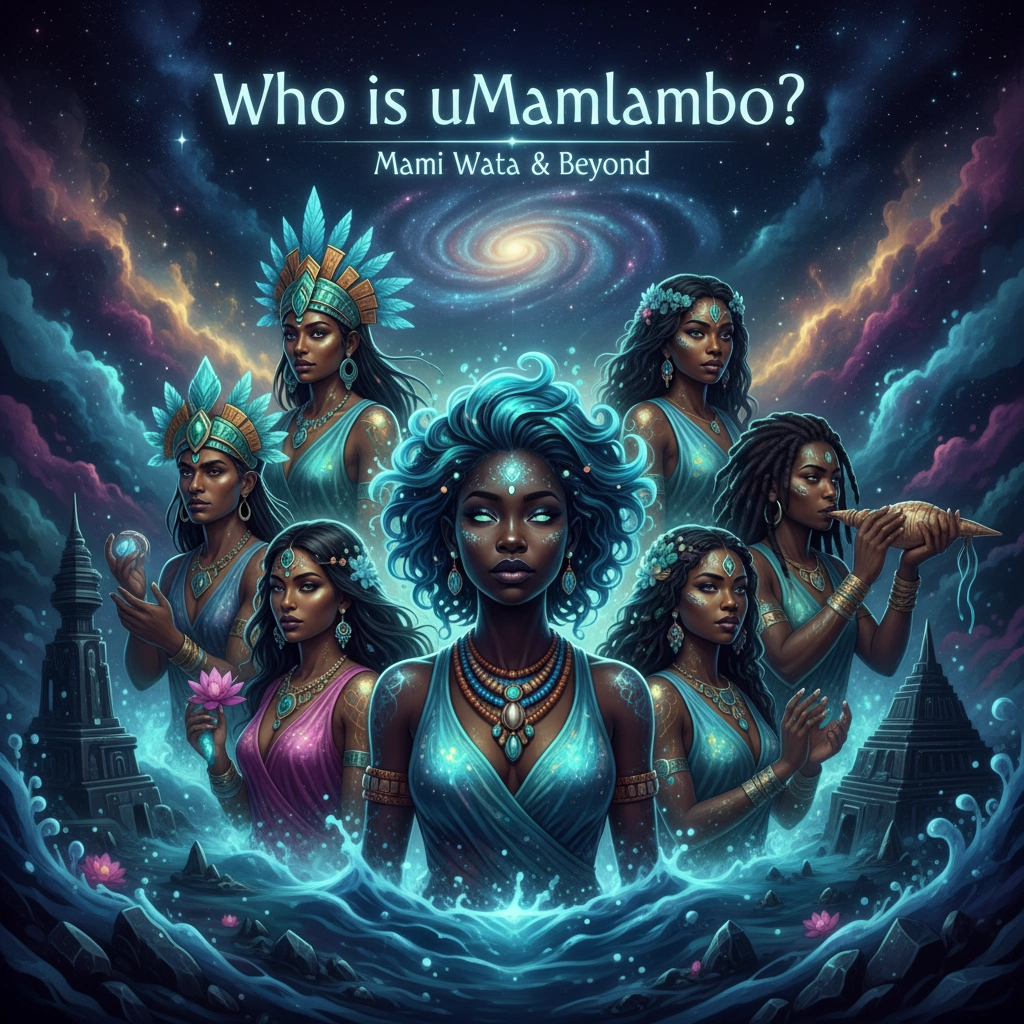
Ever heard of a river goddess who demands sacrifice for prosperity? Meet uMamlambo, one of South Africa's most fascinating and complex water spirits. If you're drawn to understanding the deeper mysteries of African spirituality, this serpentine deity will challenge everything you think you know about river spirits and their role in modern spiritual practice.
uMamlambo isn't just another water spirit, she's the "goddess of rivers" in South African and Zulu mythology, and her story weaves together ancient wisdom with contemporary spiritual tensions. Ready to dive into the depths of this powerful entity? Let's explore what makes uMamlambo both revered and feared across Southern African communities.
The Shape-Shifting River Queen
Picture this: you're walking by a river at dusk, and you see what appears to be a beautiful woman with long, flowing hair. But something feels off. Her hands and feet seem unusually soft, almost fin-like, and she's moving on all fours. Congratulations, you might have just encountered uMamlambo in one of her many forms.
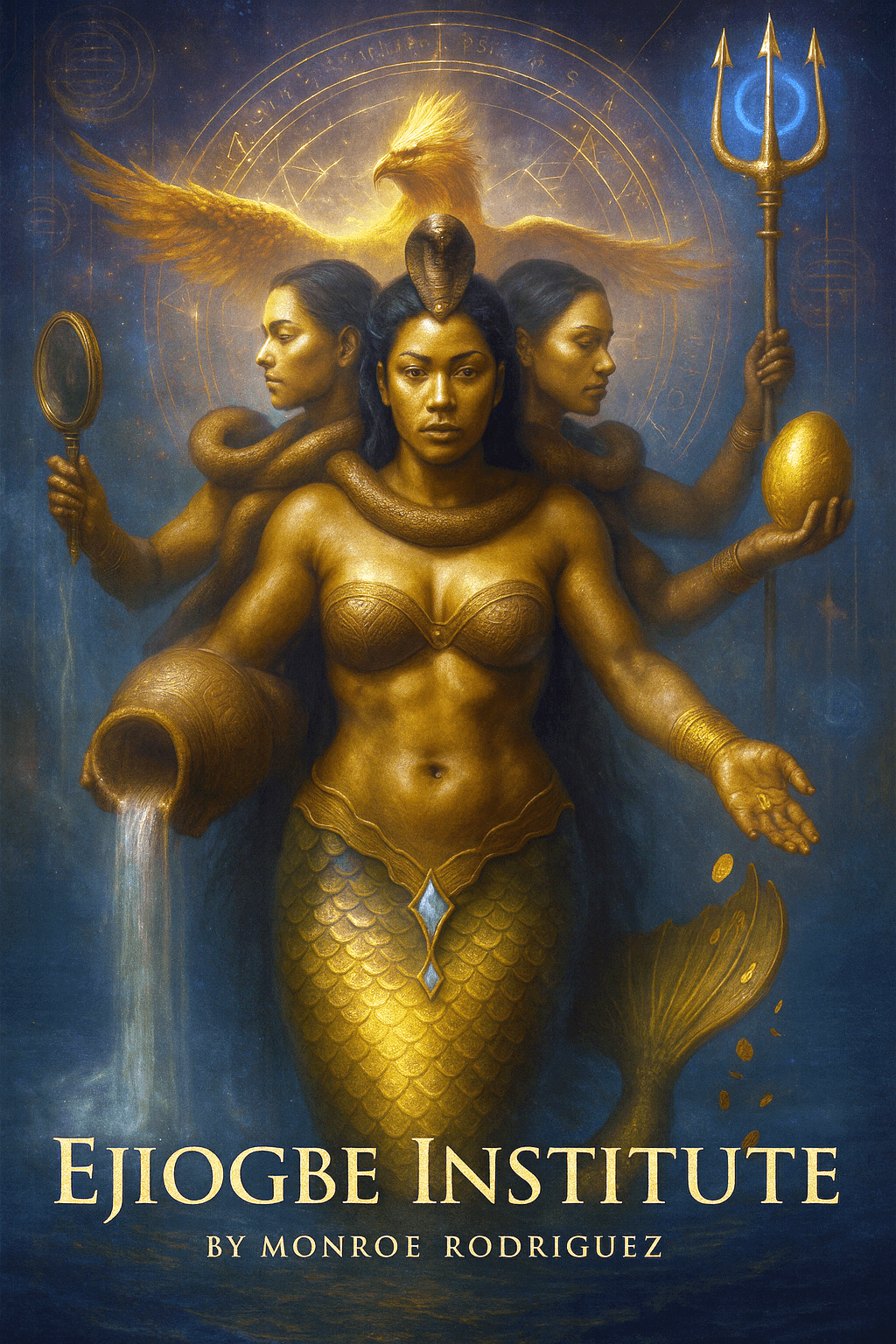
This powerful water spirit is renowned for her ability to shift shapes at will. One moment she's a massive serpent gliding through river waters, the next she's appearing as a baboon, skunk, wild pig, or even an innocent-looking baby. But here's what makes her particularly intriguing: uMamlambo often manifests as a Western-style mermaid, complete with the trappings of modern prosperity and wealth.
Why the Western imagery? Because uMamlambo has evolved with the times, becoming strongly associated with material wealth and the allure of Western prosperity. She represents that complex relationship many have with success, the desire for it, the price we're willing to pay, and the spiritual implications of disconnecting from our traditional roots in pursuit of modern gains.

The Price of Prosperity
Here's where things get serious, and you need to pay attention: uMamlambo doesn't give without taking. This isn't your friendly neighborhood river spirit offering blessings for a simple offering of flowers and sweet words. No, uMamlambo operates on a different level entirely.
Before she bestows any favors: particularly those related to wealth and prosperity: she demands sacrifice. And we're not talking about material offerings. The traditional belief holds that someone in your family must die before uMamlambo grants her blessings. This isn't spiritual fear-mongering; it's a fundamental aspect of how this deity operates within the cosmology of those who work with her.
Think about what this means for a moment. Are you prepared for that level of spiritual commitment? This isn't playing around with crystals and sage: this is engaging with a force that operates by ancient laws of exchange that don't bend to modern sensibilities.
Regional Variations: The Abantu Bomlambo
Among the Xhosa people of the Eastern Cape, uMamlambo is understood as part of a larger community called the Abantu bomlambo: the "People of the River." This isn't just one spirit we're talking about; it's an entire underwater civilization with its own social structure, families, and livestock.
These river people live in dry caves beneath the water, maintaining a parallel existence to human communities. They have children, keep dogs, and even raise livestock that emerges from rivers at night to graze. When someone drowns and their body isn't recovered, there's little mourning because the person is believed to have been chosen to join this underwater community.
But here's something that might surprise you: when traditional healers (sangomas) disappear into rivers during their initiation and return weeks or months later without explanation, they're considered especially blessed. They've undergone training in the realm of the River People, emerging with enhanced spiritual abilities and deeper connection to water-based healing practices.

The 1997 Mzintlava River Incidents
Let's talk about something that shook South Africa to its core. In 1997, the Mzintlava River near Mount Ayliff became the center of a modern Mamlambo legend that made international headlines. Villagers reported sightings of a massive creature: approximately 20 meters long: with the head of a horse, the lower body of a fish, short legs, and the neck of a snake. They said it emitted a green light at night.
Between January and April of that year, nine people died in circumstances attributed to this Mamlambo. The creature earned the terrifying nickname "the Brain Sucker" because victims were found with their faces and soft tissue missing. While police attributed the deaths to drowning and crab predation, villagers knew better. This was Mamlambo's work.
The situation became so serious that it was raised in the Eastern Cape legislative assembly. Armed conservation officers organized hunts along the river. But here's the thing about powerful spirits: they don't show up for photo ops or government investigations. Mamlambo never appeared for her hunters.
Working With Water Spirits: What You Need to Know
Are you considering engaging with water spirits like uMamlambo? Stop right there and listen carefully. This isn't New Age spirituality where intentions and crystals solve everything. Working with African water deities requires profound respect, traditional knowledge, and often formal initiation.
uMamlambo can form partnerships with those seeking to cause harm, as demonstrated by famous cases like the medicine man Khotso of Pondoland, who reportedly used his Mamlambo to create destructive windstorms against enemies. This spirit doesn't judge your intentions by modern moral standards: she operates according to ancient spiritual laws that prioritize power, sacrifice, and respect above all else.
If you're drawn to water spirits, start with proper education. Seek out legitimate traditional practitioners who can guide you safely. Don't attempt to work with entities like uMamlambo based on internet research or casual spiritual exploration. The consequences can be devastating.

Modern Implications and Cultural Tensions
uMamlambo represents something deeper than just a river spirit: she embodies the tension between traditional African spirituality and modern Western values. Her association with Western-style prosperity reflects the complex relationship many African communities have with materialism, social inequality, and cultural preservation.
When you see uMamlambo depicted as a mermaid with European features, you're witnessing spiritual syncretism in action. She's evolved to mirror the desires and anxieties of contemporary practitioners while maintaining her core nature as a powerful, demanding deity who operates outside conventional moral frameworks.
This evolution raises important questions: How do traditional spirits adapt to modern times? What happens when ancient deities take on contemporary forms? And most critically, do we lose something essential when spirits begin reflecting Western aesthetics rather than traditional African representations?
Respecting the Waters
Whether you're a serious spiritual practitioner or someone simply curious about African water spirits, remember this: uMamlambo commands respect. She's not a metaphor, a psychological archetype, or a cute spiritual concept to add to your vision board. She's a powerful entity with her own agenda, operating according to spiritual laws that have governed river communities for centuries.
If you live near rivers or frequently work with water in your spiritual practice, acknowledge the spirits that dwell there. You don't need to work with them directly, but showing respect through simple offerings and recognition can help maintain positive relationships with these powerful forces.
The story of uMamlambo reminds us that African spirituality isn't always comfortable or convenient. It challenges us to consider the real costs of prosperity, the nature of sacrifice, and the price of disconnecting from our spiritual roots in pursuit of material gains. Whether you view her as a literal entity or a powerful spiritual metaphor, uMamlambo's message remains clear: true power requires true commitment, and the rivers always remember what we've given: and what we've taken.
