

Have you noticed something shifting in your feed lately? Between the endless scroll of dance challenges and food reviews, you're seeing more young people sharing oracle cards, talking about ancestral wisdom, and diving deep into spiritual practices that their great-grandparents might have whispered about in secret.
This isn't just a trend: it's a spiritual revolution. And it's happening right in your pocket.
The Great Awakening is Digital
Let's get real about what's happening here. Young people today are dealing with anxiety, depression, and a sense of disconnection that previous generations couldn't even imagine. Social media promised connection but delivered comparison. Technology promised answers but gave us information overload. And somewhere in all that digital noise, something ancient started calling.
The Yoruba pantheon isn't just trending because it's exotic or aesthetic: though let's be honest, Oshun's energy does photograph beautifully. Young people are gravitating toward these traditions because they offer something our digital world can't: deep, ancestral wisdom that actually works.

Think about it. When was the last time you felt truly grounded scrolling through Instagram? Now compare that to the feeling of connecting with Yemoja's ocean energy or understanding your place in Yoruba cosmology. There's no contest.
Why Ancient African Wisdom Hits Different
African spiritual traditions don't just give you rules to follow: they give you a complete worldview. Take Igbo Odinani, for example. This isn't just about rituals and offerings. It's an entire understanding of how the universe works, how you fit into the cosmic order, and how to live in harmony with both the seen and unseen worlds.
Are you tired of spiritual practices that feel hollow or appropriated? African traditions offer authentic depth that goes back thousands of years. They've survived colonization, forced conversion, and cultural suppression because they work. They're not just beliefs: they're lived experiences passed down through generations of people who understood that the spiritual and physical worlds are intimately connected.
The Edo religion teaches that every person has a spiritual double in the spirit world. Imagine knowing with absolute certainty that you're never truly alone, that you have divine support built into the fabric of reality itself. That's not just comforting: it's revolutionary in a world that profits from your isolation.
Mami Wata: The Water Spirit Who Gets Social Media
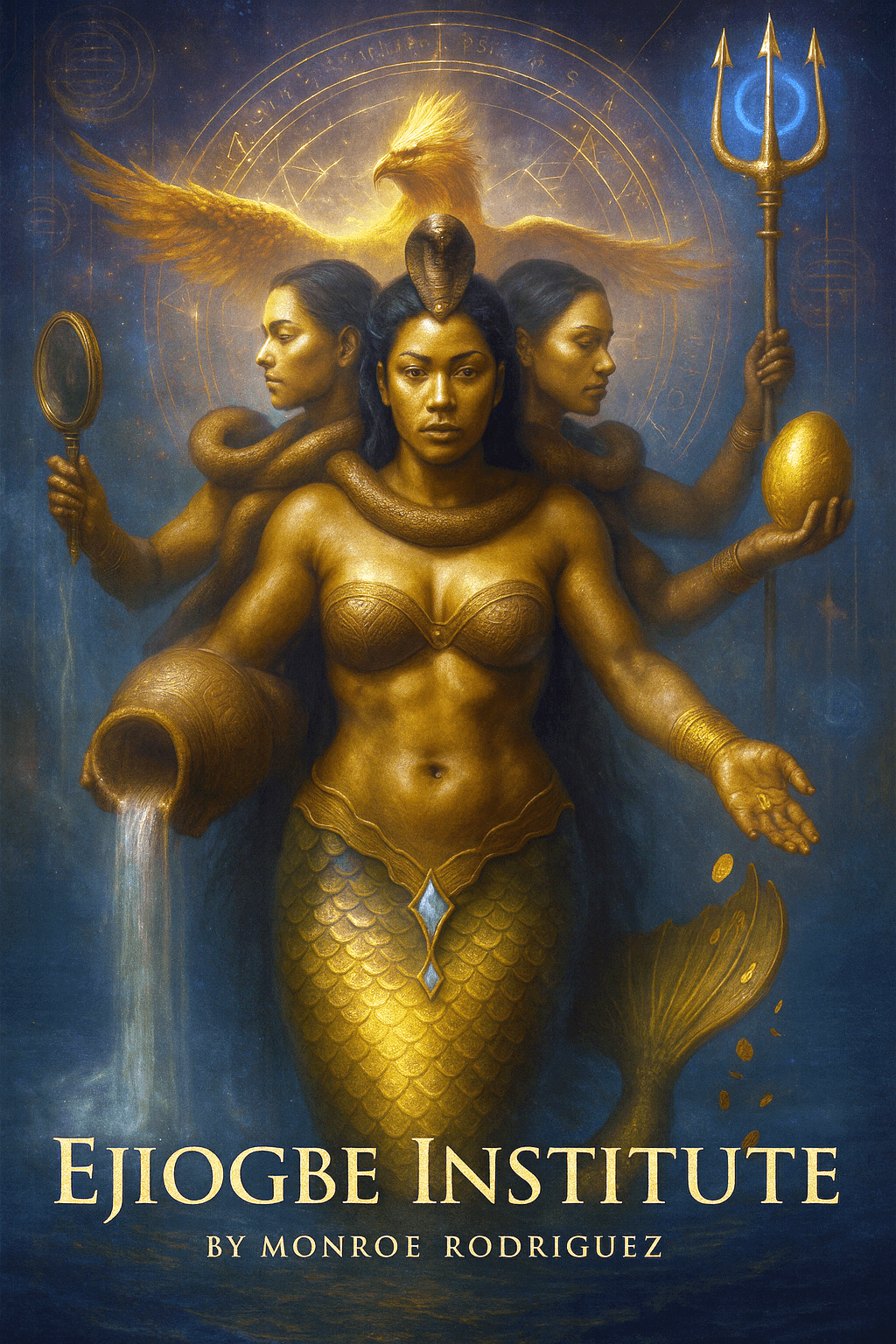
Let's talk about why Mami Wata resonates so powerfully with digital natives. This ancient African water spirit represents transformation, healing, and the flow between worlds: which is basically what young people are navigating every day online.

Mami Wata doesn't just show up in dreams anymore. She's appearing in digital art, inspiring TikTok creators, and helping young people understand their intuitive gifts through online communities. The spirit that once connected African communities through rivers and waterways is now flowing through fiber optic cables and wireless signals.
When you see young people sharing their divination readings online or creating content about ancestral veneration, that's Mami Wata energy at work: connecting, healing, and helping people remember their spiritual power.
The Dominican 21 Divisions: Caribbean Wisdom Goes Viral
Here's something beautiful happening: Dominican 21 Divisions is finding new life among young Latinx people who grew up disconnected from their spiritual roots. This tradition, which blends African Vodun with indigenous and European elements, offers a complete spiritual system that actually makes sense in the modern world.
Unlike other practices that lock you into one approach, Dominican 21 Divisions gives you options. Tarot cards? Yes. Baraja Española? Absolutely. When you work with the Misterios, you're not just following ancient rules: you're engaging with living spirits who understand your contemporary struggles.
Young people are discovering that their abuela's "superstitions" were actually sophisticated spiritual technologies. That candle she lit every Tuesday? She was working with specific spiritual frequencies. Those herbs she burned? She was clearing energy more effectively than any sage bundle you bought on Amazon.
Digital Platforms Become Sacred Spaces
Here's what's really wild: the same technology that threatened to disconnect us from our roots is now helping us reclaim them. YouTube channels are teaching proper Yoruba cosmology. Instagram accounts are sharing daily Odu wisdom. TikTok creators are breaking down complex Vodun concepts into digestible content.
But this isn't spiritual fast food. Young practitioners are doing the deep work. They're learning languages, studying with authentic teachers, and building genuine relationships with the Orisha, Lwa, and ancestral spirits. The difference is they're using digital tools to supplement, not replace, traditional learning.

Online communities are creating spaces where young people can ask questions, share experiences, and find mentorship without judgment. When you can't find an elder in your physical community, you can connect with practitioners worldwide who understand your journey.
The Authenticity Factor
Want to know why young people are choosing African traditions over New Age spirituality? Because these practices don't sugarcoat reality. They don't promise that positive thinking will solve systemic oppression or that manifesting will cure generational trauma.
Igbo Odinani acknowledges that some problems require community solutions. Edo religion recognizes that healing happens in relationship with spirits and ancestors, not in isolation. The Yoruba pantheon includes Eshu, the trickster who reminds us that growth comes through challenges, not just comfort.
This isn't spirituality for people who want to bypass their problems: it's for people ready to face them with divine support.
Breaking the Secrecy Cycles
For too long, these traditions survived by staying hidden. Colonial violence, religious persecution, and cultural shame forced African spiritual wisdom underground. But young people today are tired of shame. They're ready to honor their ancestors by bringing these practices into the light.
When you see a young person sharing their altar on Instagram or explaining Oke Orisha practices on YouTube, they're doing sacred work. They're saying: "This wisdom belongs to us. It deserves respect. And we're not hiding anymore."

This isn't about appropriation or commercialization: it's about reclamation. Young practitioners are working with authentic teachers, following proper protocols, and building genuine relationships with these traditions. They understand that wisdom shared responsibly grows stronger, not weaker.
The Practical Benefits Are Real
Let's get specific about why this shift is happening. Young people practicing these traditions report:
- Better boundary setting (thank you, Oya energy)
- Improved intuition and decision-making (ancestral guidance hits different)
- Stronger sense of purpose and identity (knowing your spiritual lineage changes everything)
- More effective manifestation (when you align with cosmic forces, things move)
- Deeper emotional healing (these traditions understand intergenerational trauma)
This isn't placebo effect spirituality. These are time-tested technologies for living that address real contemporary problems.
Your Ancestors Are Calling Through Your Phone
Here's the truth your ancestors want you to know: they're not stuck in the past. They understand TikTok. They know how to work through Instagram algorithms. They're using whatever channels are open to reach you, including your smartphone notifications.
That sudden urge to research your family's spiritual traditions? That random video that appeared in your feed about Vodun practices? That friend who keeps sharing content about African spirituality? Pay attention. Your ancestors are speaking.
The digital age isn't separate from the spiritual world: it's another layer of it. And ancient African wisdom is flowing through these new channels because it's alive, adaptive, and ready to guide whoever is ready to listen.
Ready to answer the call?
